What Should Homeowners Look for During a Final Walkthrough?
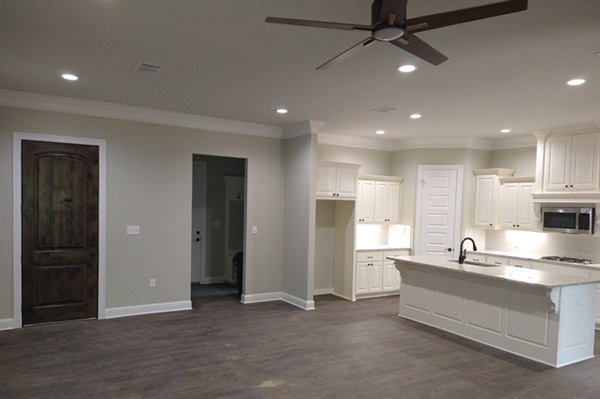
A final walkthrough is one of the most critical moments in the home buying and construction process. It is the homeowner’s last opportunity to verify that the property is delivered exactly as agreed, with all work completed according to the contract, plans, and agreed specifications. Whether the home is newly constructed or recently renovated, this walkthrough serves as a detailed quality control step that helps protect buyers from costly surprises after closing. Many issues that are simple to correct before ownership transfers can become expensive or difficult once paperwork is finalized, which is why experienced professionals treat the walkthrough as a structured inspection rather than a casual review.
During a final walkthrough, homeowners are expected to examine multiple areas of the home, from completed construction details to operational systems and unfinished items. JennRand Diversified emphasizes that this stage is about confirmation, not assumption, and every element should be verified carefully. The sections below explore the most important areas homeowners should review, including contract compliance, surface quality, mechanical systems, and unresolved punch list items. For buyers preparing for buying a home, understanding what to evaluate during this walkthrough helps set clear expectations and supports informed decision-making before closing.
Verifying Completed Work Against the Contract and Plans
The primary objective of a final walkthrough is to confirm that all work outlined in the construction contract and architectural plans has been completed accurately. This includes verifying room dimensions, materials, layouts, and installed features against the approved drawings and written agreements. Homeowners should bring copies of their signed contract, specifications, and any documented change orders to ensure every commitment has been fulfilled exactly as stated.
Attention should be given to structural elements such as wall placement, ceiling heights, flooring selections, cabinetry layouts, and exterior features. Any deviations from the approved plans should be documented immediately. Industry standards confirm that discrepancies discovered before closing are far easier to resolve than those identified afterward, when responsibility and timelines can become unclear.
This process is especially relevant for buyers preparing for buying a home, as contract verification protects financial investment and confirms that the delivered property matches its agreed value. A systematic comparison between documentation and physical execution provides objective clarity and avoids reliance on verbal assurances.
Inspecting Finishes, Fixtures, and Surface Quality
Surface-level details often reveal the overall quality of workmanship in a home. During the final walkthrough, homeowners should closely inspect finishes such as flooring, paint, tile, countertops, and trim. These elements should be free from visible defects, including scratches, uneven application, cracks, chips, or inconsistent alignment. Lighting conditions should be used to check surfaces from multiple angles, as flaws may be concealed under certain conditions.
Fixtures such as sinks, faucets, lighting units, and hardware should match the specifications outlined in the contract. Homeowners should confirm that finishes are consistent throughout the home and that materials have not been substituted without approval. Quality benchmarks published by residential construction trade groups stress that cosmetic defects identified before closing are typically considered correctable obligations.
Careful documentation of any imperfections supports accountability and ensures clarity when items are added to the punch list. Surface inspections also help confirm that protective coverings have been removed properly and that the home has not sustained damage during final construction or cleaning phases.
Checking Doors, Windows, and Built-In Features
Doors and windows play a significant role in security, energy performance, and daily usability. Each door and window should be opened, closed, locked, and unlocked to confirm smooth operation and proper alignment. Homeowners should look for signs of binding, drafts, misalignment, or incomplete sealing, as these issues can affect long-term comfort and efficiency.
Built-in features such as cabinetry, shelving, closets, and storage systems should be inspected for stability, alignment, and proper installation. Cabinet doors and drawers should open fully, close evenly, and remain secure. Hardware should be firmly attached, and finishes should match agreed specifications.
Industry inspection checklists highlight that operational testing of these components is as important as visual inspection. Functional deficiencies, even if subtle, should be recorded and addressed prior to closing to prevent future disputes or repair delays.
Testing Electrical, Plumbing, and HVAC Systems
Mechanical systems should be fully operational at the time of the final walkthrough. Electrical systems must be tested by turning on lights, checking outlets, and confirming that switches function as intended. Ground-fault and arc-fault outlets should be tested using built-in test buttons where applicable.
Plumbing inspections should include running faucets, checking water pressure, inspecting drains for proper flow, and verifying that toilets flush correctly. Homeowners should also look for visible leaks under sinks and around fixtures. HVAC systems should be powered on to confirm heating and cooling functions, thermostat responsiveness, and airflow consistency.
Professional building standards emphasize that system testing is a factual verification step, not a courtesy review. Mechanical systems that are not fully functional at walkthrough should be documented and resolved before ownership transfers.
Identifying Punch List Items and Unresolved Issues
A punch list is a formal record of incomplete, incorrect, or deficient items identified during the final walkthrough. Homeowners should document every issue, regardless of perceived size, as small defects can indicate larger workmanship concerns. Each item should be described clearly, with precise location references to avoid ambiguity.
Unresolved issues may include unfinished trim, paint touch-ups, missing hardware, alignment problems, or system adjustments. Construction documentation practices confirm that punch lists serve as enforceable records when completed prior to closing, supporting clear expectations for correction timelines.
Homeowners are encouraged to retain copies of the punch list and confirm resolution procedures through the builder’s documented processes. For clarification or follow-up related to inspections and documentation, information is available through JennRand Diversified.
Professional Guidance for Final Walkthroughs and Home Readiness
Completing a final walkthrough requires experience, attention to detail, and a clear understanding of construction standards. JennRand Diversified provides guidance rooted in hands-on residential expertise, helping clients evaluate completed work, review punch list items, and confirm readiness before closing. Their approach reflects a thorough understanding of how construction details, system performance, and contract compliance intersect during this final stage.
Serving homeowners from PO Box 1354, Tatum, TX 75691, the team offers insight into what to look for during walkthroughs and how to document findings accurately. Clients with questions about walkthrough preparation or unresolved items can speak directly with the team at 903-557-1070 to gain clarity before final decisions are made.
To learn more or discuss next steps, visit their website or contact us to connect with JennRand Diversified and review available resources.