How Does HVAC Planning Change When Adding Square Footage to a Home?
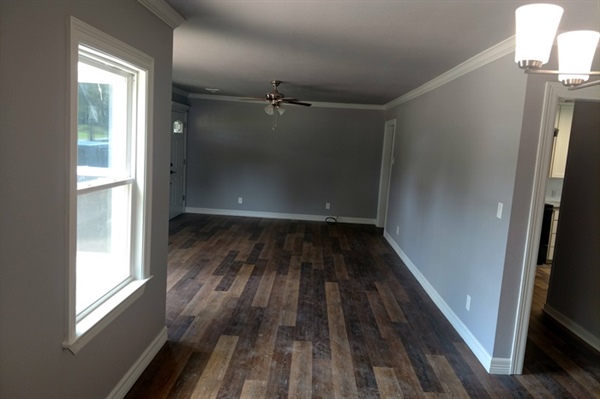
Expanding a home changes far more than just the footprint. When square footage is added, the heating and cooling strategy that once worked efficiently can quickly fall out of balance. HVAC systems are designed around precise calculations tied to layout, insulation, airflow, and occupancy. Adding new rooms, extending living areas, or converting unused spaces alters those variables and directly affects how heat is distributed and removed throughout the home.
Planning HVAC systems during an expansion requires careful evaluation of load calculations, equipment capacity, duct design, zoning strategy, and compliance with modern energy standards. Builders such as JennRand Diversified routinely encounter these considerations during residential remodeling projects, where proper coordination between design and mechanical planning determines long-term comfort and efficiency. This article examines how HVAC planning changes when square footage increases, including recalculating load requirements, assessing existing equipment, redesigning airflow, managing temperature zones, and meeting efficiency and code standards—issues commonly encountered in home additions.
Recalculating Heating and Cooling Load Requirements for Added Square Footage
When new square footage is introduced, the original heating and cooling load calculations are no longer valid. Load calculations determine how much heating and cooling capacity a home requires and are based on square footage, ceiling height, window placement, insulation values, air infiltration rates, and regional climate data. Expanding the home changes these inputs, requiring a full Manual J load recalculation rather than a simple estimate based on added area.
New construction materials often perform differently from the existing structure. Updated insulation standards, improved window assemblies, and tighter building envelopes can reduce load in some areas while increasing it in others due to layout changes. For example, large open additions or vaulted ceilings can significantly increase cooling demand even when insulation levels meet modern standards.
Accurate recalculation ensures HVAC systems are neither undersized nor oversized, both of which lead to inefficiency, uneven temperatures, and premature equipment wear. During major home additions, load analysis also accounts for future usage patterns, ensuring the system remains effective as occupancy and lifestyle needs evolve.
Evaluating Existing HVAC Equipment Capacity After Adding Square Footage
Once updated load requirements are established, the next step is determining whether the existing HVAC system can support the increased demand. Many systems are sized precisely for the original structure, leaving little margin for expansion. Evaluating capacity involves comparing the recalculated load against the system’s rated output under real operating conditions, not just manufacturer specifications.
Age and efficiency ratings play a significant role in this evaluation. Older systems may have reduced performance due to wear, outdated refrigerants, or declining efficiency standards. Even if capacity appears sufficient on paper, real-world performance may fall short, especially during peak heating or cooling periods.
In some cases, supplemental systems or partial upgrades are used rather than full replacements. Options include adding secondary systems for new spaces or reconfiguring existing equipment to improve distribution efficiency. This approach is commonly assessed during residential remodeling projects where preserving portions of the original mechanical infrastructure is practical.
Ductwork Design and Airflow Balancing for Expanded Floor Plans
Duct systems are engineered to deliver specific airflow volumes to each room based on load calculations. Adding new spaces disrupts this balance, often requiring duct resizing, rerouting, or complete redesign. Simply extending existing duct runs without recalculating airflow can lead to pressure imbalances, noise issues, and uneven temperatures.
New additions frequently introduce longer duct runs or changes in elevation, both of which affect static pressure. Proper duct design accounts for friction loss, air velocity, and return air pathways to maintain system efficiency. Inadequate return air in new spaces is a common cause of comfort complaints following expansions.
Airflow balancing ensures that both existing and new areas receive appropriate conditioning without compromising comfort elsewhere in the home. This process is particularly critical when integrating additions into homes originally designed with simpler duct layouts or minimal zoning.
HVAC Zoning and Temperature Control for Added Square Footage
Expanding a home often introduces areas with different heating and cooling needs than the original structure. Sun exposure, ceiling height, room usage, and occupancy schedules can vary widely, making single-zone systems less effective. HVAC zoning allows separate areas of the home to be controlled independently, improving comfort and efficiency.
Zoning systems use dampers and multiple thermostats to regulate airflow based on real-time demand. This approach prevents over-conditioning existing spaces while meeting the needs of new additions. Without zoning, homeowners often compensate by adjusting thermostats frequently, leading to higher energy consumption and inconsistent comfort.
During expansion projects, zoning design must be coordinated with duct layout and equipment capacity to avoid excessive static pressure or control conflicts. Proper planning ensures that zoning enhances performance rather than introducing new operational challenges.
Energy Efficiency, Insulation, and HVAC Code Compliance for Home Additions
Building codes and energy standards frequently change, and new additions must comply with current regulations even if the existing structure predates them. HVAC planning must align with updated efficiency requirements, insulation values, duct sealing standards, and ventilation mandates.
Improved insulation and air sealing in new construction can alter system dynamics, sometimes requiring separate ventilation strategies to maintain indoor air quality. Equipment selection and system configuration must reflect these changes to avoid moisture issues and uneven performance.
JennRand Diversified integrates HVAC planning with broader construction standards to maintain compliance and long-term performance. Coordinating HVAC design with building envelope upgrades ensures that expansions meet efficiency targets while supporting reliable system operation. Additional guidance and project consultation are available through JennRand Diversified.
Expert HVAC Planning for Home Expansions
JennRand Diversified works closely with homeowners to coordinate HVAC planning during residential expansions, ensuring comfort, efficiency, and compliance at every stage. From evaluating existing systems to integrating modern zoning strategies, their construction and remodeling expertise supports well-balanced mechanical designs.
Located at PO Box 1354, Tatum, TX 75691, JennRand Diversified provides residential construction and remodeling services across East Texas. Homeowners can discuss expansion planning and HVAC coordination by calling 903-557-1070 or visiting their contact us page to schedule a consultation.