How do homeowners know if their land is suitable for building a home?
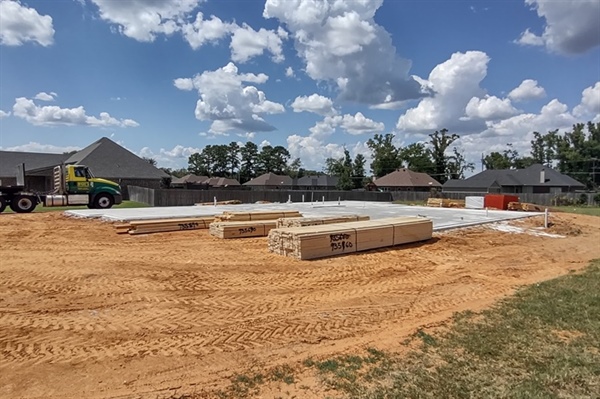
Determining whether land is suitable for building a home requires far more than visual appeal or acreage size. Homeowners must evaluate legal, environmental, and physical conditions that directly affect whether construction is permitted, safe, and economically feasible. Zoning restrictions, soil behavior, access to utilities, flood exposure, and site layout all influence whether a parcel can support a permanent residential structure without unexpected risks or costs.
This article explains how homeowners can assess land readiness before building by examining zoning laws, subsurface conditions, infrastructure access, environmental limitations, and physical site characteristics. Each section addresses one critical factor that professionals evaluate when planning residential construction, helping property owners understand how these elements work together long before design plans or permits are submitted. Jenn Rand Diversified brings experience in land-focused residential development, which informs the technical accuracy of this discussion. For readers interested in broader context, residential construction planning often begins with the same evaluations described here.
How Zoning Laws and Local Building Regulations Determine Buildable Land
Zoning laws define how land may be used and what type of structures are permitted. Residential zoning classifications control housing density, minimum lot size, building height, setbacks, and allowable uses. These regulations are enforced at the municipal or county level and must be verified before any building plans are developed. A parcel that appears suitable may be restricted to agricultural use or require rezoning before a home can be built.
Local building regulations extend beyond zoning and govern structural safety, energy performance, fire resistance, and sanitation. Building codes adopt standards such as the International Residential Code, but enforcement and amendments vary by jurisdiction. Permitting departments also regulate driveway access, stormwater management, and septic system approval, all of which affect build feasibility.
Homeowners evaluating land for compliance often review zoning maps, ordinances, and planning commission records before purchase. These documents clarify whether a home can be constructed as intended or if variance applications are required. Early verification avoids costly redesigns or denial of permits later in the process, a key concern in residential construction planning.
Why Soil Conditions and Ground Stability Matter for Home Construction
Soil characteristics determine whether the ground can safely support a foundation. Factors such as soil composition, load-bearing capacity, shrink-swell behavior, and drainage properties influence structural stability. Clay-heavy soils, common in parts of Texas, expand and contract with moisture changes, increasing the risk of foundation movement if not properly engineered.
Geotechnical soil testing provides measured data on subsurface conditions through borings and laboratory analysis. These tests identify bearing capacity, moisture content, and the presence of unsuitable materials such as organic matter or loose fill. Results guide foundation design decisions, including slab thickness, pier depth, or soil remediation requirements.
Ignoring soil behavior can lead to long-term structural damage, including cracking, uneven settlement, and drainage failures. Building suitability assessments rely on verifiable soil data rather than surface appearance, making professional testing a standard prerequisite before construction begins.
Evaluating Access to Utilities and Essential Public Services
Buildable land must support reliable access to water, electricity, wastewater treatment, and emergency services. Properties outside municipal service areas may require private wells, septic systems, and extended utility connections, each subject to permitting and feasibility limits. Availability alone does not guarantee approval; capacity and compliance must also be confirmed.
Water and wastewater systems are regulated by health departments and environmental agencies. Septic system approval depends on soil percolation rates, groundwater depth, and lot size. Electrical and gas utilities assess distance from existing infrastructure and may impose extension costs that significantly affect project budgets.
Public services such as fire protection, road maintenance, and waste collection influence insurance rates and long-term habitability. Land suitability evaluations account for these service constraints early, preventing delays caused by infrastructure limitations discovered after land acquisition.
How Environmental Constraints and Flood Risk Affect Buildability
Environmental regulations protect wetlands, floodplains, wildlife habitats, and water resources. Land within regulated flood zones may require elevation standards, engineered flood mitigation, or may be restricted from development altogether. Federal Emergency Management Agency flood maps provide baseline flood risk classifications used in permitting and insurance underwriting.
Environmental site conditions also include protected vegetation, soil erosion risks, and stormwater runoff requirements. Disturbing sensitive areas without permits can result in enforcement actions or mandatory restoration. Environmental due diligence helps identify these constraints before construction planning advances.
Flood exposure assessments combine historical data, topography, and hydrology studies to determine long-term risk. Properties with unmanaged flood risk often face higher insurance premiums and design limitations, directly affecting construction feasibility and occupancy safety.
Assessing Site Access, Topography, and Lot Layout for Home Construction
Physical access to a building site affects construction logistics and long-term usability. Driveway placement, road frontage, and emergency vehicle access are regulated by local authorities. Inadequate access can prevent permit approval even when zoning allows residential use.
Topography influences grading requirements, drainage patterns, and foundation design. Steep slopes may require retaining structures, erosion controls, or specialized foundations. Lot layout determines usable building area after accounting for setbacks, easements, and environmental buffers.
Evaluating these physical characteristics requires coordination between survey data, site plans, and regulatory requirements. Accurate site analysis supports informed decisions about layout feasibility and compliance. Property owners often reference professional guidance from firms such as Jenn Rand Diversified when navigating these technical constraints.
Professional Guidance for Determining Land Suitability
Evaluating land for home construction requires coordinated analysis of zoning rules, soil behavior, infrastructure access, environmental regulations, and physical site conditions. Jenn Rand Diversified provides land-focused development expertise that addresses each of these factors through structured evaluation and regulatory awareness.
Based in Tatum, TX, Jenn Rand Diversified works with property owners to clarify feasibility before construction commitments are made. By identifying constraints early, homeowners gain clarity on costs, approvals, and design limitations that affect long-term success.
To discuss land suitability questions or project planning, contact Jenn Rand Diversified at 903-557-1070 or visit their office at PO Box 1354, Tatum, TX 75691. Additional information is available through their contact us page.